Ergonomic Office Chairs: Synchro-Tilt vs. Multifunction Mechanism Guide
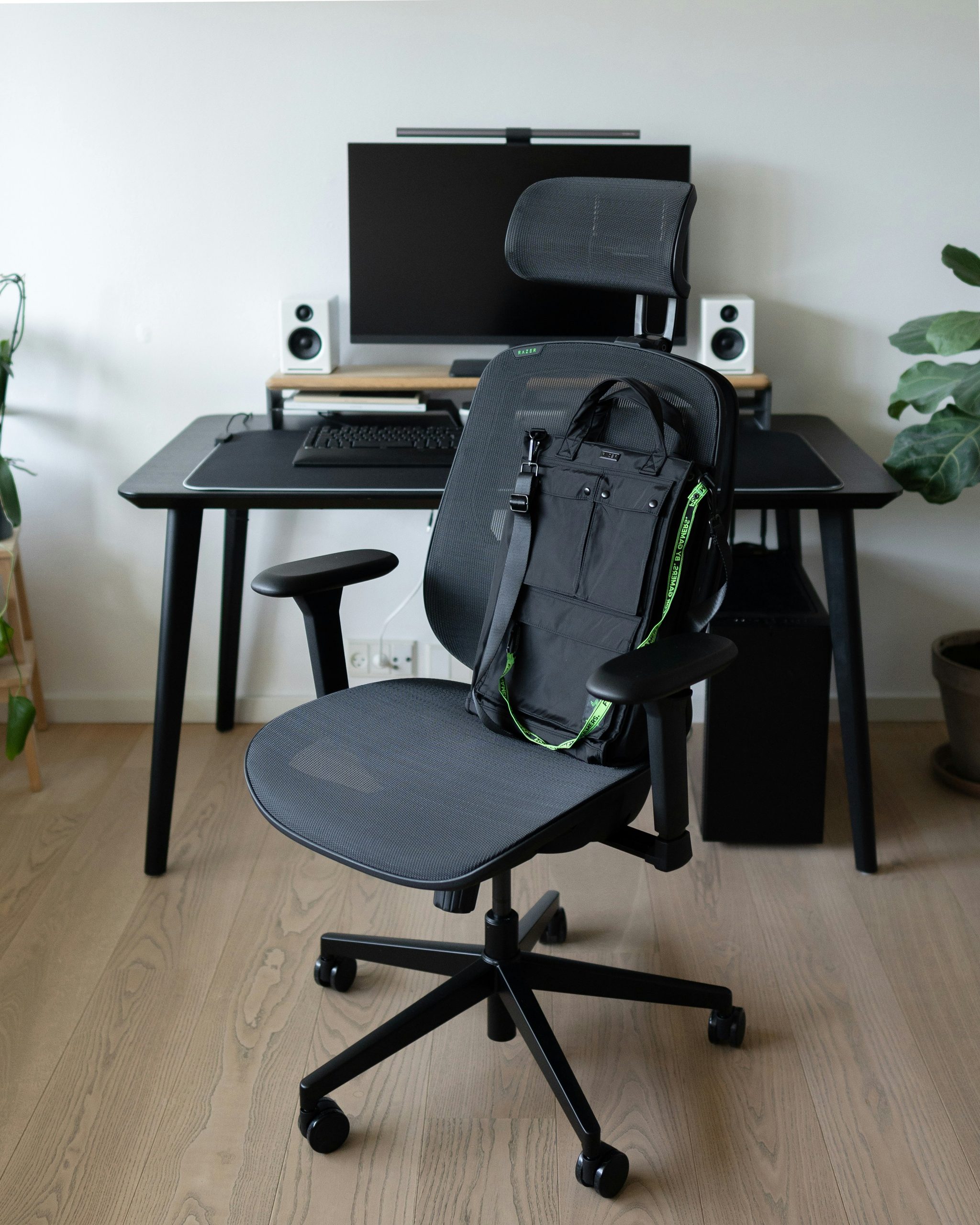
synchro tilt vs multifunction mechanism

When evaluating an ergonomic office chair, the synchro tilt vs multifunction mechanism comparison defines how your pelvis and spine articulate throughout the workday. A synchro-tilt mechanism links the backrest and seat pan in a fixed ratio (typically 2:1), allowing you to recline smoothly while keeping your feet planted and lumbar support locked in place. A … Read more
Standing Desk Stability: 5 Best Heavy Load Frame Tests

standing desk crossbar vs t-frame stability

Quick Verdict: Achieving optimal standing desk stability requires matching frame geometry and column overlap to your total working payload. While standard dual-motor T-frames offer balanced center-of-mass alignment, C-frame configurations maximize knee cavity space but increase cantilever deflection under front-edge pressure. For heavy multi-monitor arrays exceeding 150 lbs, a 4-leg frame provides total torsional resistance against … Read more

Under-Desk Cable Tray: Wire Basket vs Solid Metal Channel Tests

no-drill cable management tray

Under-Desk Cable Tray: Structural Mechanics and Thermal Dissipation Deploying a motorized sit-stand workstation introduces complex wire routing variables that standard static office desks never encounter. Without a rigid under desk cable tray anchored beneath the primary work surface , heavy transformer bricks, multi-display video cords, and peripheral grounding cables dangle into the lower travel corridor, … Read more

Standing Desk Power Strip: Clamp vs Under-Desk Tray Tests

Standing Desk Power Strip: Workstation Power Distribution Mechanics Configuring a motorized height-adjustable workstation requires centralizing your AC electrical supply so that only a single main cord traverses the moving leg. Mounting a dedicated standing desk power strip directly to the work surface eliminates tension shear on connected computer and display power bricks during elevation cycles. … Read more

Magnetic Cable Channel vs Under-Desk Tray: 5 Best Wire Rules

Magnetic Cable Channel vs Under-Desk Tray: Biomechanical Cable Routing Managing cables across a motorized sit-stand desk requires choosing between vertical leg concealment and horizontal bulk capacity. While an open-wire under-desk tray gathers heavy transformer bricks beneath the worktop, a magnetic cable channel routes lines down the structural steel frame without requiring mounting screws or permanent … Read more

Standing Desk Cable Management: 4 Best Proven Rules

standing desk cable management

Static cable management rules do not work on height-adjustable workstations. If you cinch every wire tight to the frame while seated, the first time you elevate your desk to standing height, the dynamic tension will rip DisplayPort connectors from their sockets, shear power pins, or trip thermal safety limits on your motor controllers. Proper standing … Read more

Negative Tilt Keyboard Tray vs Flat: 5 Superior Setup Tests

negative tilt keyboard tray vs flat

Quick Verdict: When evaluating a negative tilt keyboard tray vs flat desk surface, negative slope reduces intracarpal pressure from an elevated 30+ mmHg down to baseline resting levels (under 15 mmHg) by preventing dorsiflexion. For typing sessions exceeding four hours, a rigid negative tilt platform offers superior wrist neutral alignment compared to any flat desktop … Read more