Popliteal Artery Compression: How Seat Pan Depth Impacts Leg Circulation

You invest in a high-end ergonomic mesh office chair, adjust your gas cylinder until your feet touch the floor, align your lumbar pad against your lower spine, and settle in for deep programming or analytical work. Yet within two hours, an unmistakable, irritating sensation sets in: subtle tingling across your toes, cold feet, or a … Read more


Desk Converter vs Standing Desk: 5 Load Capacity & Stability Tests

standing desk weight capacity setup and desktop support

When transitioning to an active workstation, deciding between a desk converter vs standing desk is the primary infrastructure choice remote professionals face. While desktop converters promise quick deployment over existing furniture, full height-adjustable desks replace the entire surface with an integrated lifting frame. Understanding cantilever load limits, motor strain, and display stability reveals which investment … Read more

Why Standard Desk Height Calculators Are Wrong (And How Setup Lab Fixes It)

desk height calculator

Using a standard standing desk height calculator often introduces a dangerous biomechanical assumption: treating human beings as rigid, uniform sticks standing barefoot on concrete. If you have ever adjusted an electric standing desk to match a standard online chart—only to end up with throbbing trapezius muscles, wrist dorsiflexion, or tingling fingers within 30 minutes—the problem … Read more

Standing Desk Crossbar vs T-Frame Stability: Eliminating High-Elevation Sway

standing desk crossbar vs t-frame stability

When comparing a standing desk crossbar vs t-frame workstation, stability at high elevation is the critical factor. You spend weeks configuring your workspace, torque down your heavy-duty monitor arms, program your preferred standing height on the handset, and step back to admire your new setup. But the moment you raise the desktop past 42 inches … Read more

Ultrawide Desk Mount vs Dual Arm: 5 Best Proven Stability Tests

ultrawide desk mount vs dual arm

When deciding between an ultrawide desk mount vs dual arm configuration, standard payload ratings tell only half the story. While modern gas-spring and mechanical arms rate individual brackets up to 35 or 40 pounds, suspending a single 49-inch curved display creates radically different cantilever torque vectors than positioning two independent 27-inch monitors. Engineering Overview: The … Read more

Seat Pan Depth Ergonomics: Stop Leg Numbness Fast

You invest in a high-end ergonomic mesh office chair, adjust your gas cylinder until your feet touch the floor, align your lumbar pad against your lower spine, and settle in for deep programming or analytical work. Yet within two hours, an unmistakable, irritating sensation sets in: subtle tingling across your toes, cold feet, or a … Read more
Dual Monitor Arm vs Two Single Arms: 5 Stability & Deflection Rules

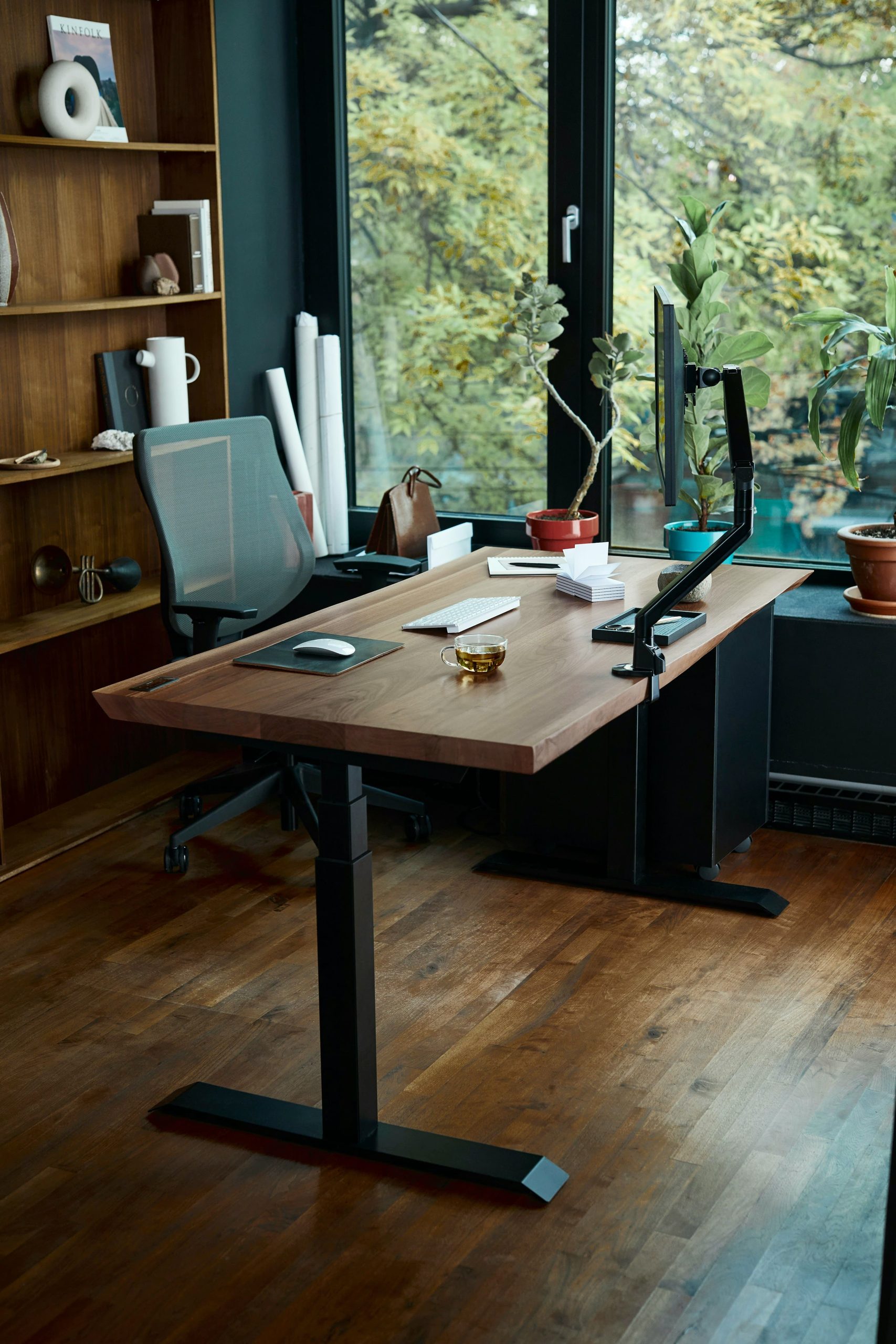
When evaluating a dual monitor arm vs two single arms for a multi-display workstation, the decision is frequently treated as a simple aesthetic preference. However, mounting dual monitors introduces complex mechanical dynamics—including localized cantilever torque, edge deflection along your desktop, and rigid articulation constraints. Choosing the correct mounting architecture determines whether your displays remain rock-solid … Read more

Clamp-On vs Under-Desk Power Strips: Surge Protection & Workspace Clearance

When engineering high-draw workspace power distribution, deciding between a clamp-on vs under-desk power strip determines both electrical safety and functional surface clearance. Mounting power directly to your desk frame prevents trailing cord hazards, but choosing the wrong orientation introduces cable pinch points, chassis ground risks, or unsightly clutter. Table of Contents 1. Electrical Architecture: Thermal … Read more

Under-Desk Keyboard Tray vs Negative Tilt: 5 Proven Setup Rules

When comparing an under-desk keyboard tray vs negative tilt platform, most ergonomic setup advice suggests elevating your office chair until your forearms sit parallel to the floor at a 90-degree angle. However, placing a mechanical keyboard flat on top of a standard desk surface creates subtle wrist extension that dramatically increases carpal tunnel fluid pressure … Read more

Single vs Dual Monitor Arm: Desk Deflection, Clamp Stress, and Weight Limits

Engineering Transparency: Vortex Momentum conducts independent mechanical load and deflection testing. When you purchase through verified hardware links on this site, we may earn an affiliate commission at no additional cost to you. Single vs Dual Monitor Arm: The Structural Reality When evaluating a single vs dual monitor arm setup, mounting multiple displays on an … Read more